
Design Tip: Start with Landscape Maintenance
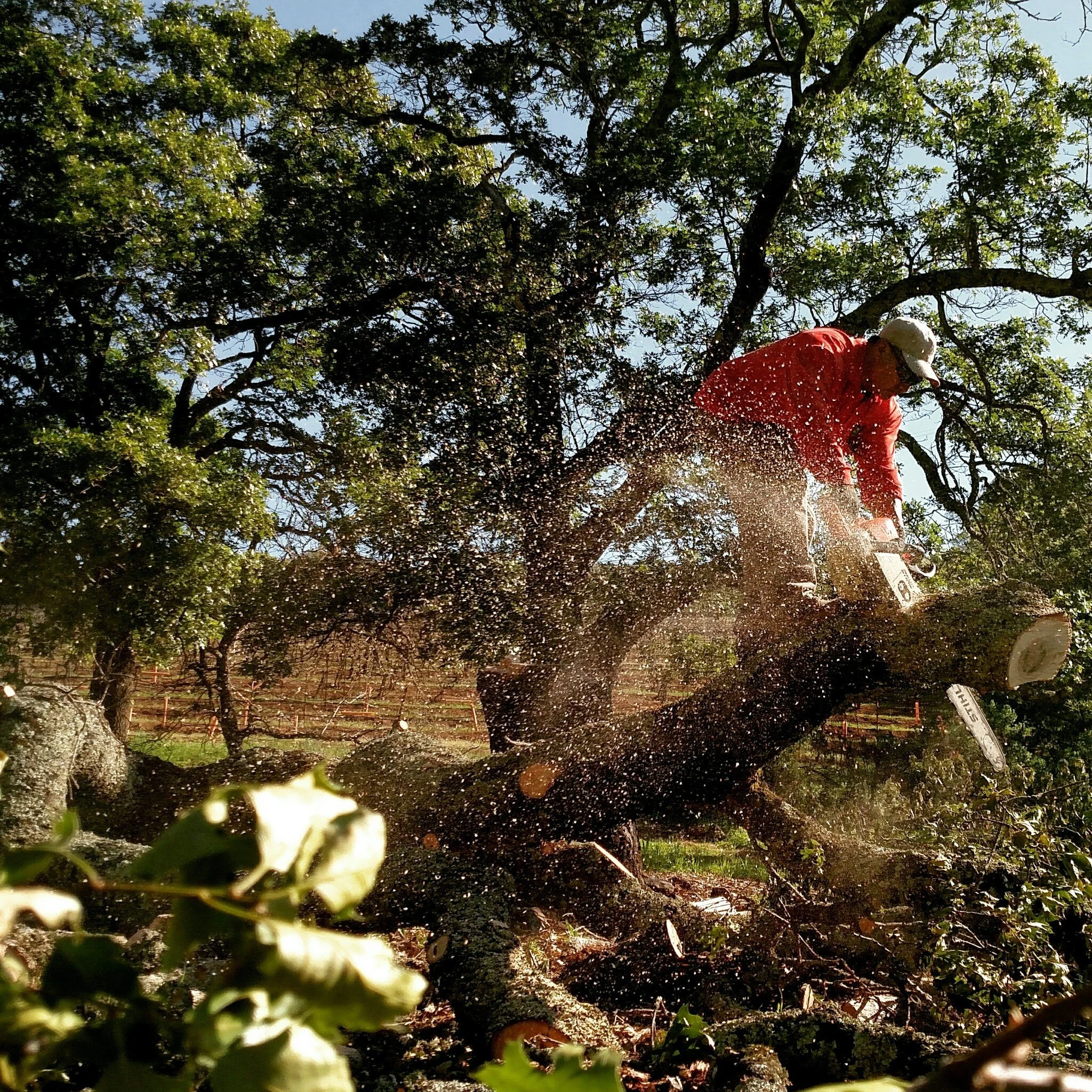
How Much Do You Want to Do?
When planning your garden, one of the most important questions to ask yourself is: how much time do you want to spend maintaining it? Gardens differ greatly in their upkeep needs, depending on factors like the types of plants you choose, the complexity of the design, and the conditions of your local climate. Some gardens may require frequent care, while others thrive with minimal intervention.
Understanding these variables can help you make informed decisions about what level of maintenance suits your lifestyle. For example, high-maintenance gardens with lawns or vegetable beds demand regular attention, while low-maintenance landscapes like rock gardens or xeriscapes need only occasional care. By aligning your garden's design with the time and effort you can commit, you can create a space that brings joy without becoming a burden.
In this guide, we’ll explore four common maintenance schedules—from intensive care multiple times a week to light touch-ups a few times a year—and provide examples to inspire your garden planning.
Three Times a Week
Gardens requiring attention three times a week are often dynamic and high-maintenance. These might include vegetable gardens, tropical landscapes, or flower beds with seasonal blooms. Regular watering, pruning, and pest control are essential to keep these spaces thriving.
What to Expect:
Frequent watering, especially during hot weather.
Deadheading flowers to encourage new blooms.
Harvesting fruits, vegetables, or herbs to prevent overgrowth.
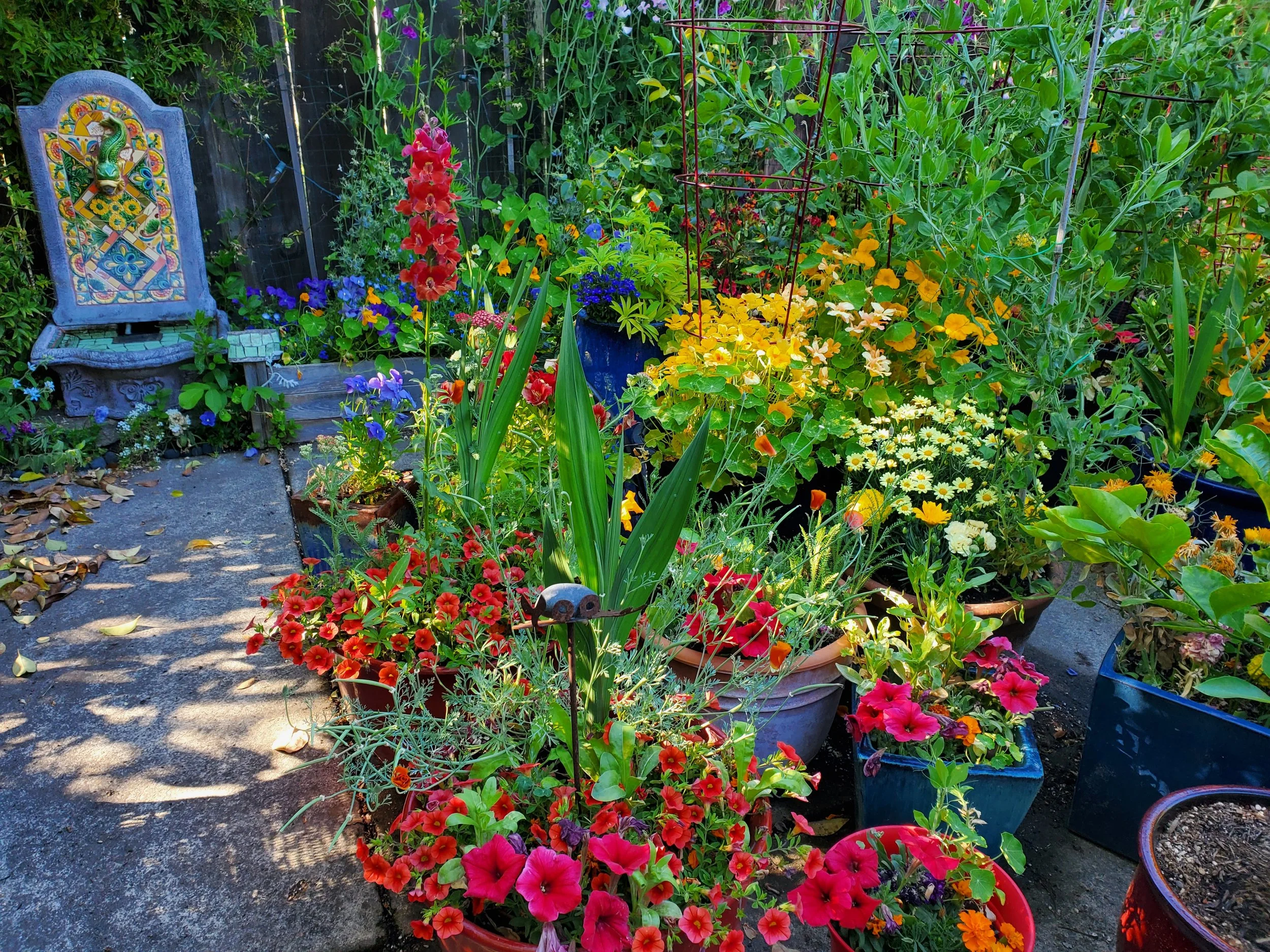
Annual gardens and raised beds, flower filled will be your highest upkeep planting.
Examples of High-Maintenance Gardens:
Kitchen gardens with a mix of veggies and herbs.
Flower beds with fast-growing seasonal plants.
Tropical gardens with humidity-loving species.
Sources:
Garden Maintenance Tips for High-Maintenance Gardens
Vegetable Gardening Basics
Once a Week
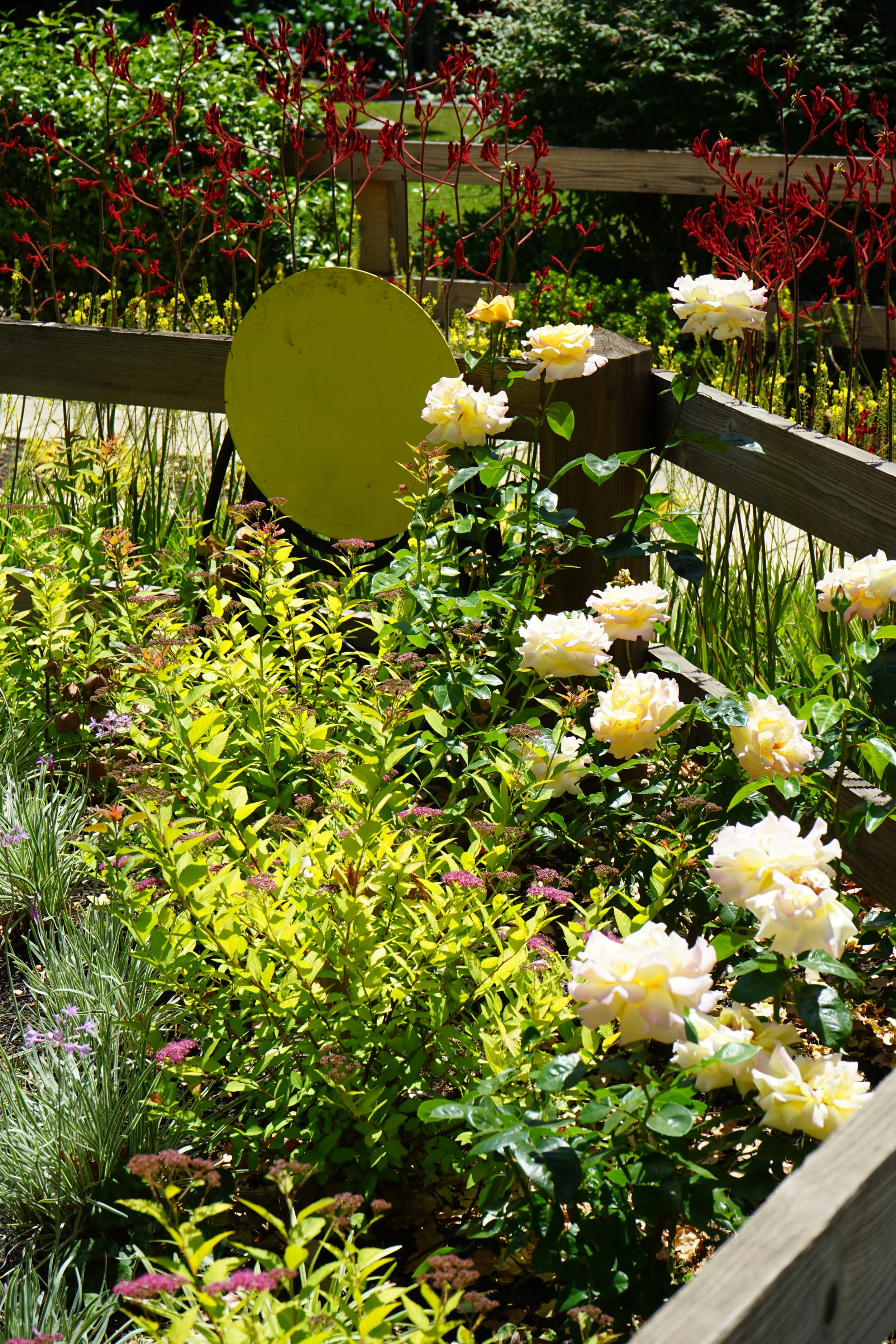
For those with moderate time to dedicate, once-a-week gardens are a balanced choice. If you have a lawn, this is you, that beautiful green carpet needs to be mowed weekly. These gardens often feature perennials, native perennials, or a mix of edible and ornamental species that don’t demand constant care.
What to Expect:
Weekly weeding to keep the space tidy.
Mowing the lawn.
Deadheading spent blooms.

Examples of Moderate-Maintenance Gardens:
Perennial flower beds.
Traditional lawns with planting beds.
Small edible gardens for herbs or berries.
Sources:
Perennial Garden Care Guide
Native Plant Gardening Basics
Twice a Month
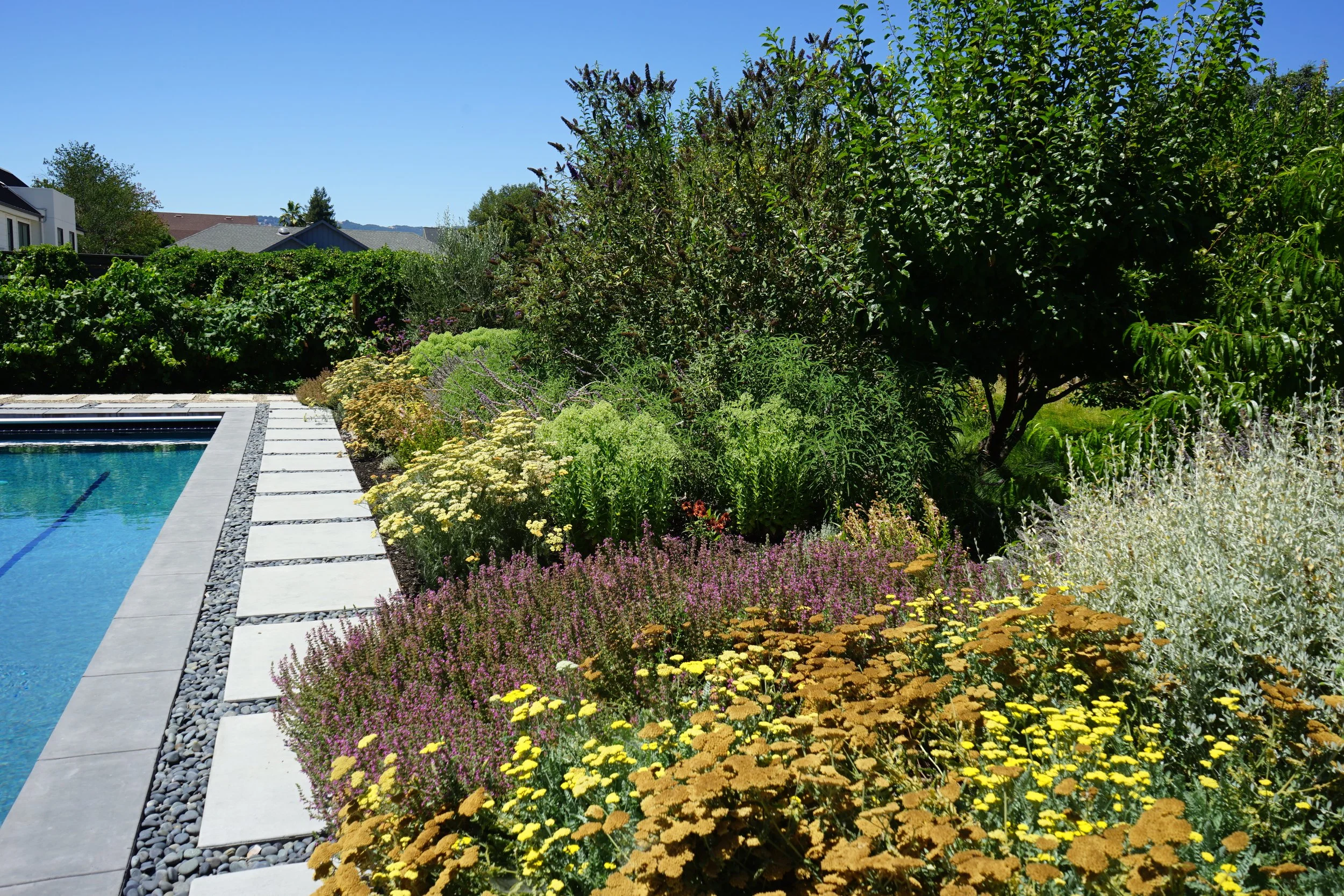
Gardens maintained twice a month are typically designed for minimal effort, often incorporating drought-tolerant plants, mulch to suppress weeds, and low-maintenance shrubs or grasses. They’re ideal for busy homeowners who still want an attractive outdoor space.
What to Expect:
Inspecting irrigation systems for proper function.
Light pruning to maintain plant shape.
Adding mulch or compost as needed.

Examples of Low-Maintenance Gardens:
Xeriscapes with drought-resistant species.
Ornamental grass landscapes.
Shrub-heavy gardens with evergreen species.
Sources:
Low-Maintenance Landscaping Ideas
Twice a Year
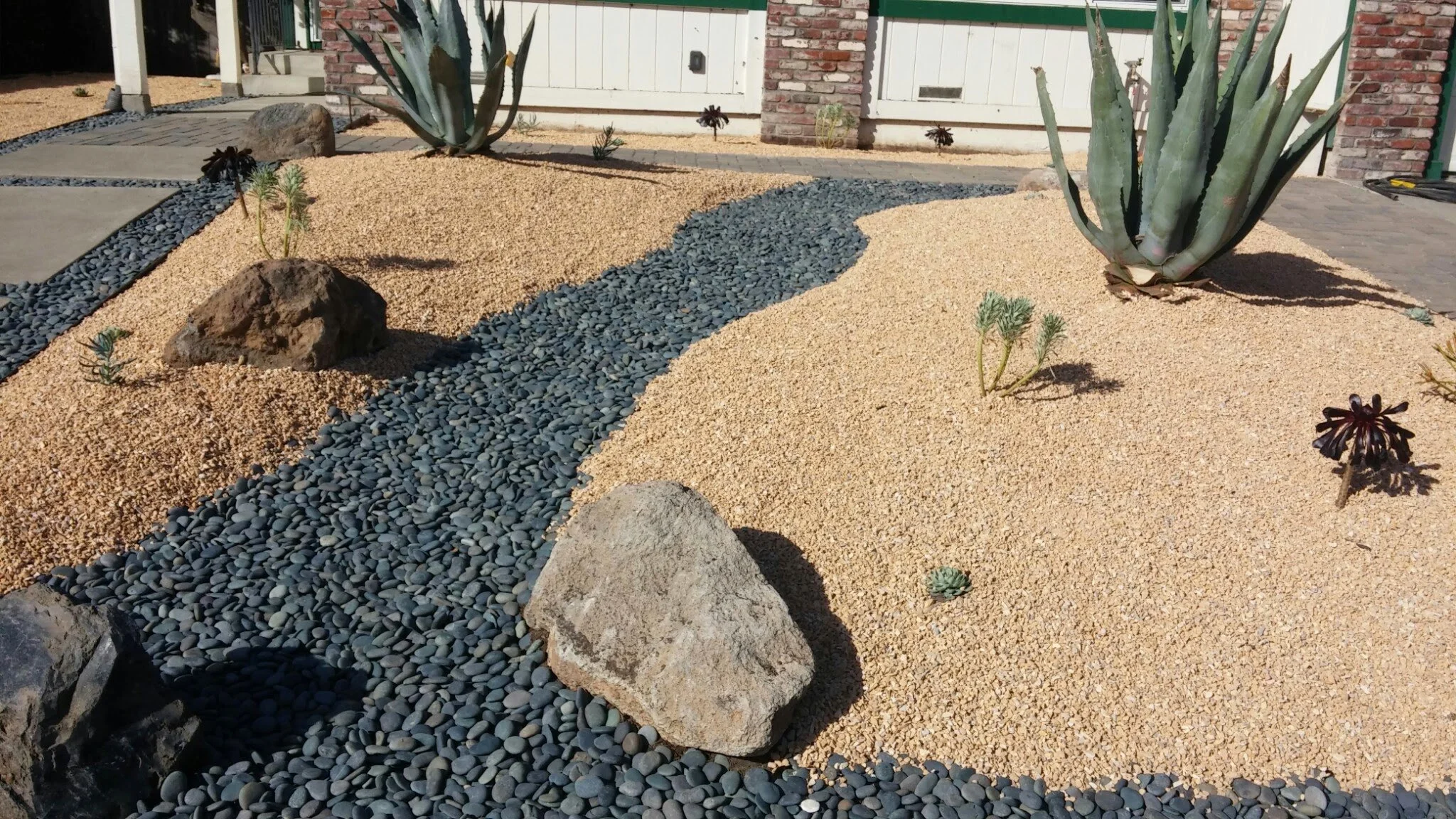
Gardens with semi-annual maintenance are designed for ultimate ease, often focusing on hardy, self-sufficient plants that require little intervention. These are perfect for vacation homes or properties where maintenance isn’t a top priority. Think of a park, they usually focus on the trees and woody shrubs and not a lot in between.
What to Expect:
Seasonal pruning or clean-up in spring and fall.
Fertilizing or amending soil occasionally.
Checking for any damage or overgrowth.
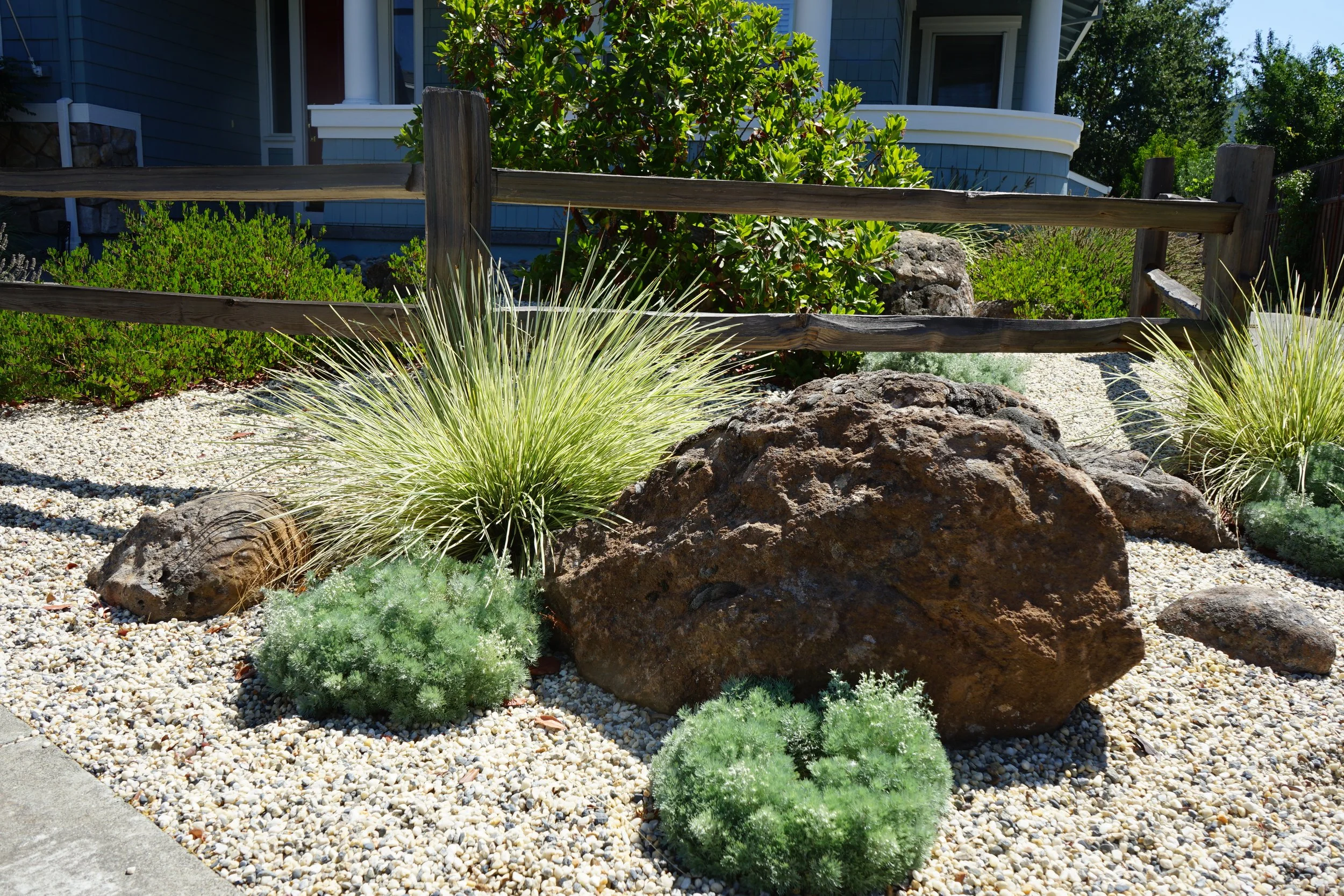
Examples of Minimal-Maintenance Gardens:
Rock gardens with succulents or cacti.
Large landscapes with trees and native groundcovers.
Wildflower meadows that self-seed annually.
Sources:
Rock Garden Design and Care
Seasonal Maintenance Checklist for Gardens
Conclusion
Getting clear at the start how much you really want to invest in upkeep will be the thing that makes or breaks your landscaping project. Maintenance is the only factor that will determine the long term success of your project.
The time or money you dedicate to your garden should align with your lifestyle and budget. Whether you’re ready to dig in several times a week or prefer a garden that takes care of itself, thoughtful planning can ensure your outdoor space remains a source of joy rather than stress. Ready to design a garden that fits your schedule? Contact us today to get started!

Sources
Garden Maintenance Tips for High-Maintenance Gardens
Vegetable Gardening Basics
Perennial Garden Care Guide
Native Plant Gardening Basics
Low-Maintenance Landscaping Ideas
Rock Garden Design and Care
Seasonal Maintenance Checklist for Gardens